MUSIC AND HEARING DAMAGE: HOW LOUD IS TOO LOUD?
Live music and loud parties sound amazing, but the high sound levels can put your hearing at serious risk. In this article, you’ll learn how loud concerts really are, how hearing damage develops, and what you can do to protect your ears so you can keep enjoying music safely.

- How loud are concerts and parties really?
- What exactly is ‘concert hearing damage’?
- How do you prevent hearing damage at concerts?
- Pearls: a smart choice for live music
How loud are concerts and parties really?
Live music is amazing – you feel the bass, you hear every detail, you're right in the atmosphere. But what you often don't realize is that the volume at concerts can be extremely high.
An average concert quickly reaches peaks of 110 to 120 dB. For comparison:
- A normal conversation is about 60 dB
- A busy street is around 80–85 dB
- From 80 dB, there is already a risk of hearing damage with prolonged exposure
The problem? Every +3 dB doubles the sound pressure. And at those high levels, it escalates quickly:
- 85 dB → safe for up to 8 hours
- 100 dB → safe for up to 15 minutes
- 110 dB → safe for up to 2 minutes (!)
(Concert) hearing damage can thus occur after just a few minutes of unprotected listening. And that's not just a temporary beep – tinnitus or permanent hearing damage is more common than you think.
What exactly is ‘concert hearing damage’?
Hearing damage from concert sound occurs when the hair cells in the inner ear become overloaded. This usually happens due to too loud and/or prolonged exposure to sound, causing them to become damaged or even die. These cells do not regenerate – the damage is thus permanent.
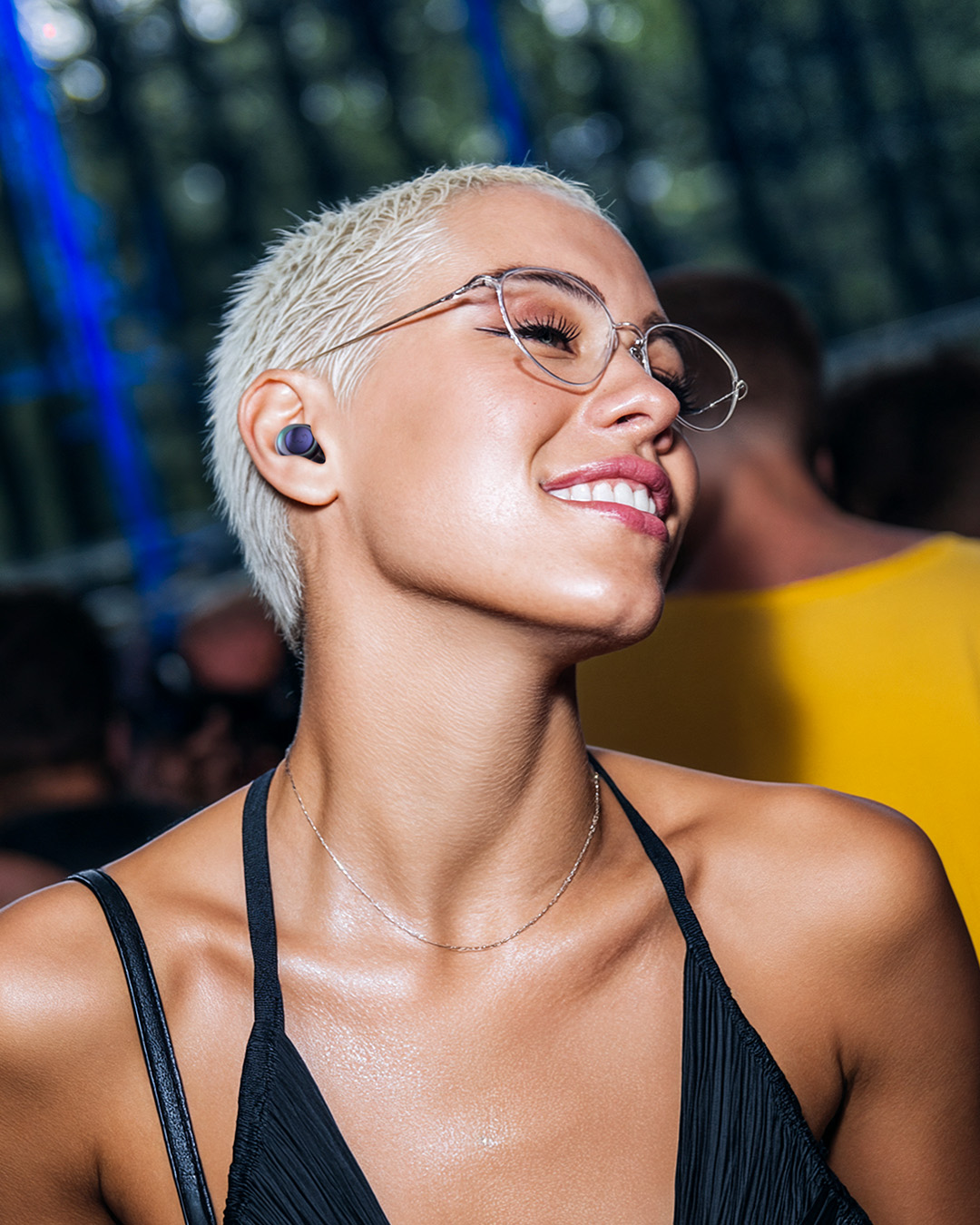
A common form of hearing damage is tinnitus: a constant beep or noise in your ear. This can be caused by one intense concert, especially if you're close to the speakers. But also multiple concerts without protection can cause irreversible damage.
Symptoms to watch out for:
- A beep or noise afterwards
- Sensitive or 'clogged' ears
- Difficulty understanding in noise
- Sudden dip in hearing on one side
How do you prevent hearing damage at concerts?
Fortunately, the risk can be well managed – if you protect your ears.
The most effective solution? High-quality hearing protection earplugs with 'flat' attenuation. They reduce the volume, but keep the music quality intact.
What to look for in earplugs:
- Attenuation level between 18–25 dB
- Even filtering of frequencies
- Comfortable fit for long wear
Earplugs, like our high-quality hearing protection earplugs, ensure that you receive less sound pressure, while still hearing everything as it is meant to be – only safer.
An extra tip: put your earplugs in before the concert starts. This way, your ears can gradually adjust to the sound, and you'll feel the difference less intensely once the music really kicks off.
Pearls: a smart choice for live music
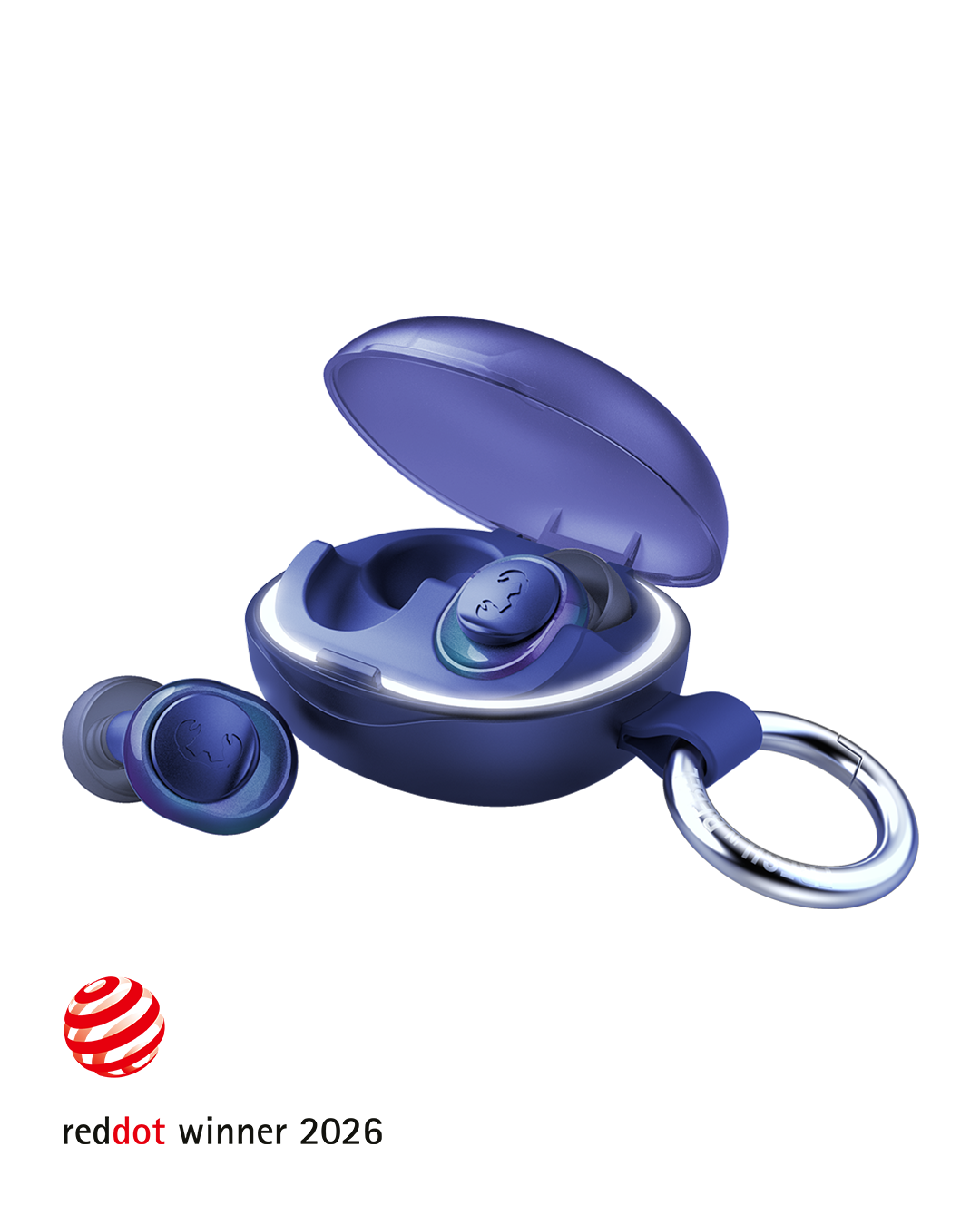
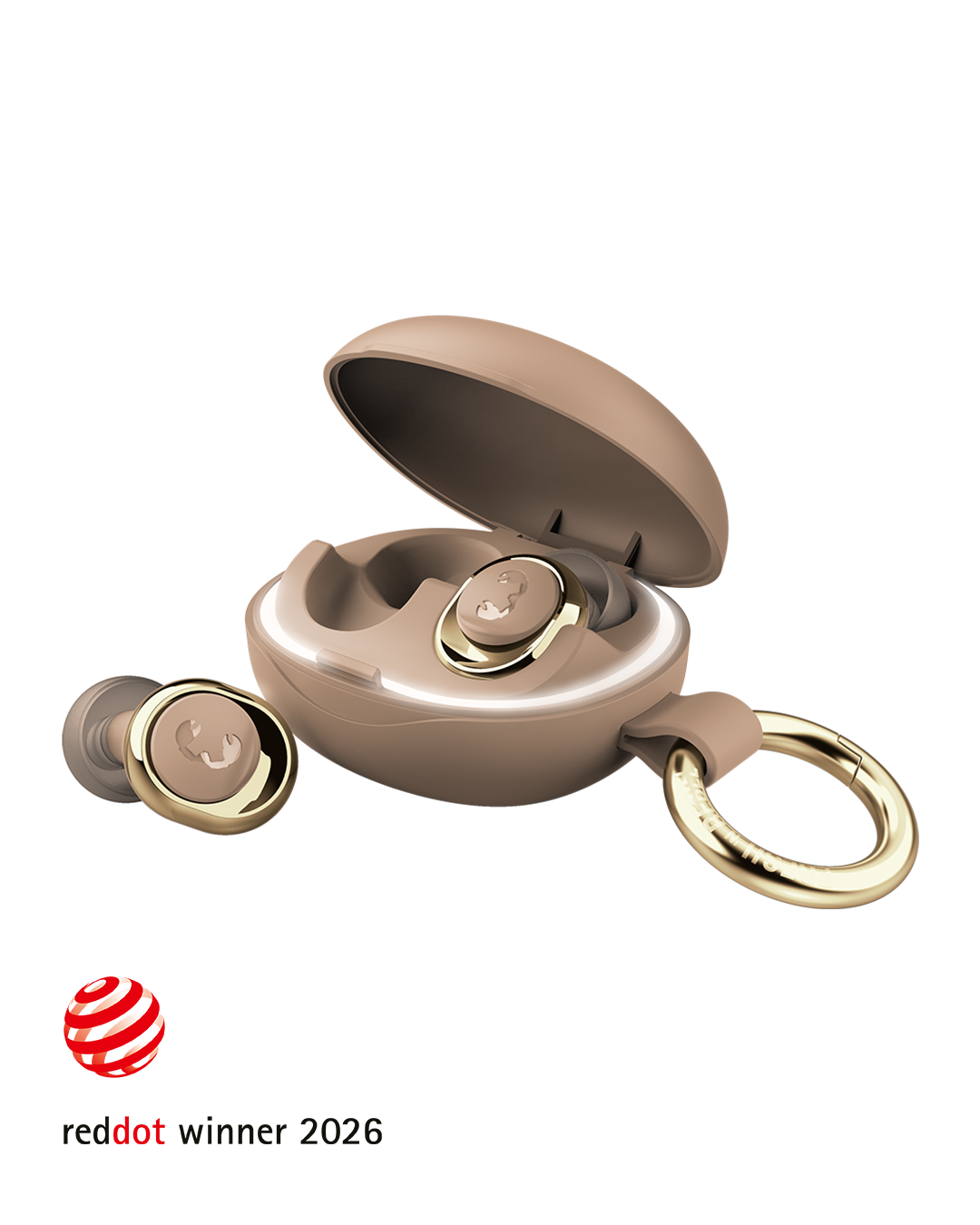
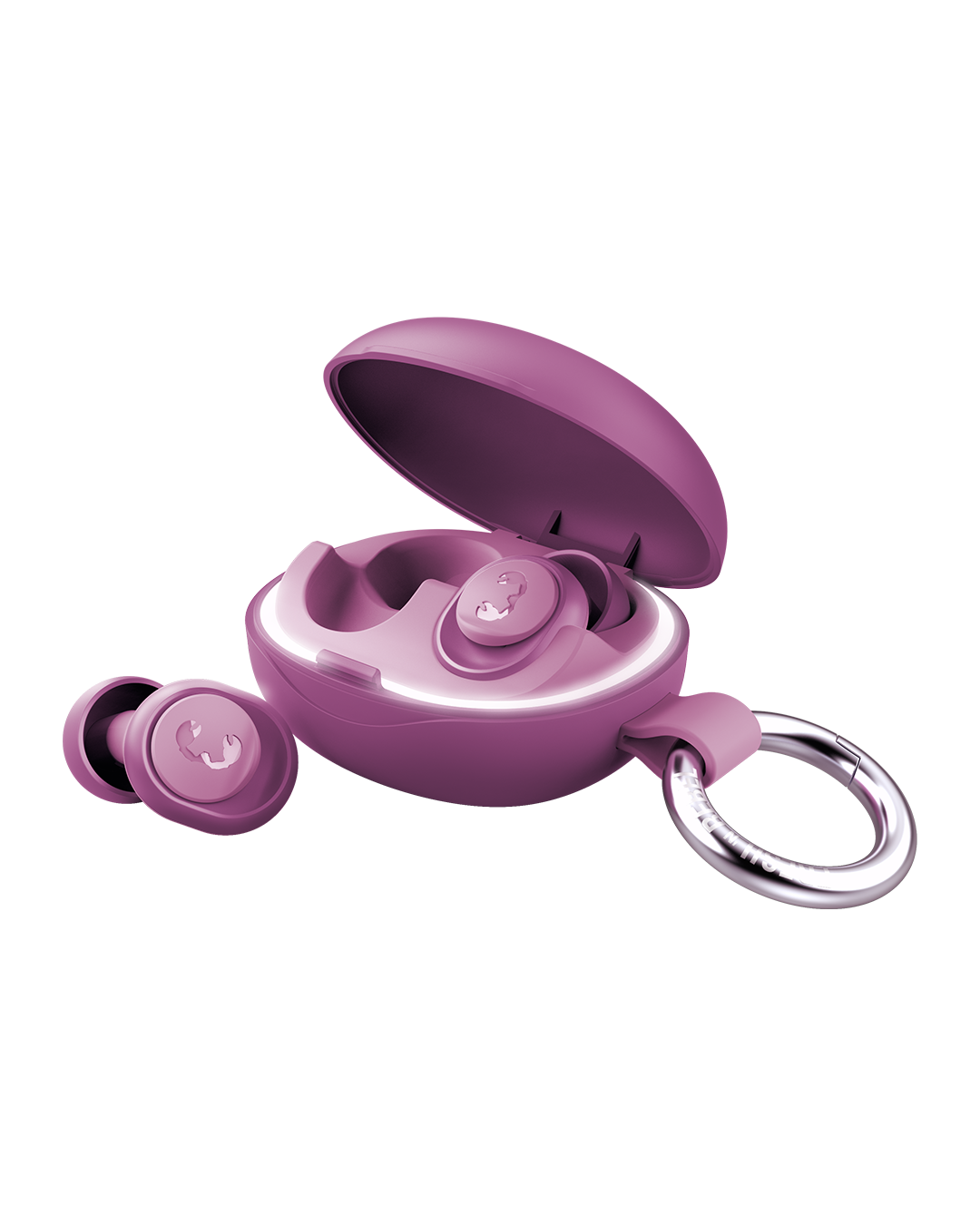
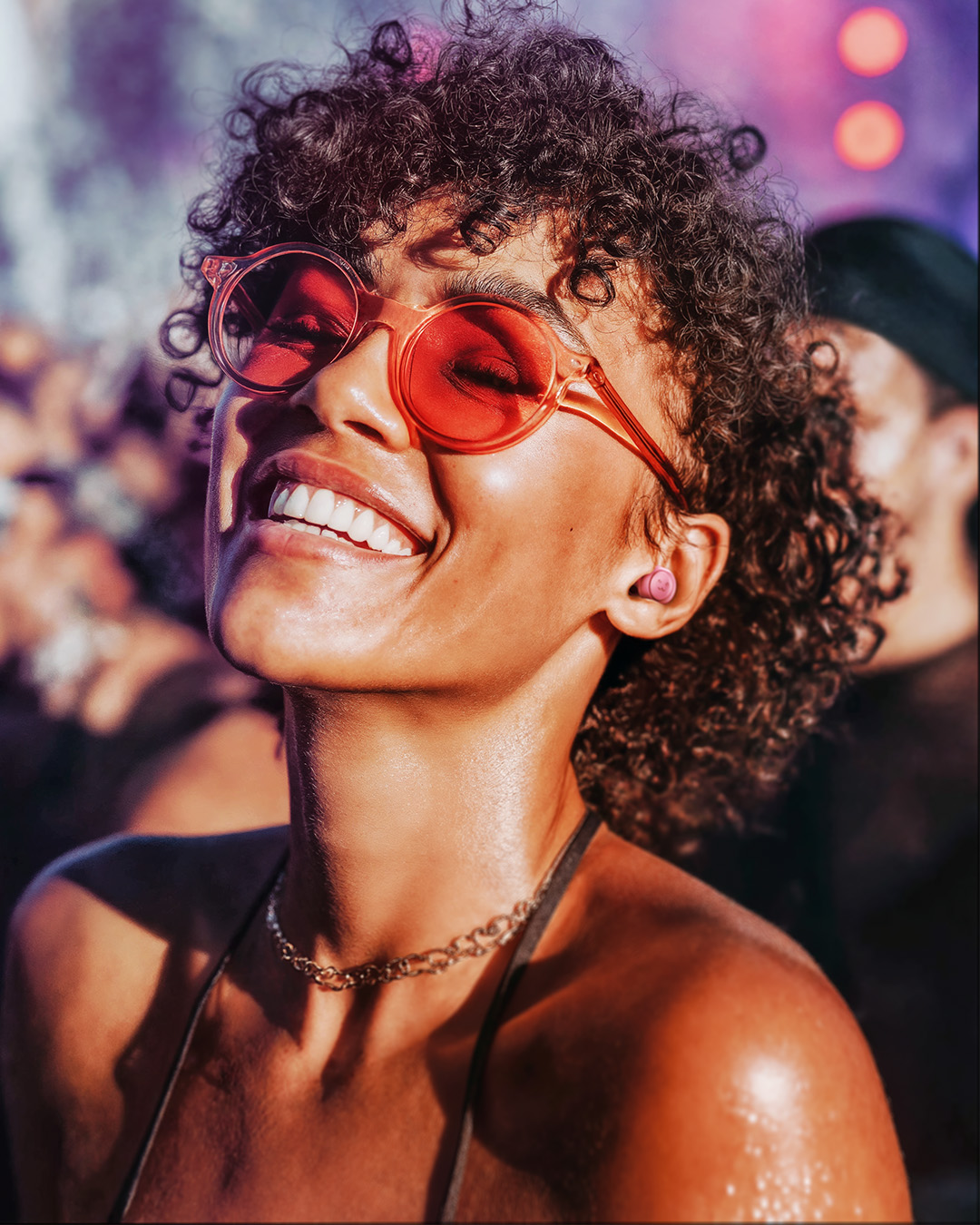
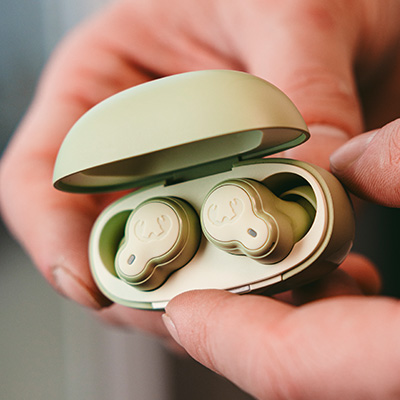
At Fresh ‘n Rebel, we've developed Pearls with all this in mind. They are equipped with an advanced acoustic filter and have two settings – Stage Mode (-23 dB) and Social Mode (-18 dB) – so you can tailor your protection to your evening.
If you want to keep enjoying live music without the risk of hearing damage, make sure you're well prepared with Pearls.